Pillars of Environmental Health
By the end of this lesson, you will be able to:
- Explain what Environmental Health is
- Identify the 8 Pillars of Environmental Health
- Relate each pillar to real-life situations in Zambia and beyond
- Reflect on practical actions individuals and communities can take
- Attempt the Quiz at the end of the lesson
🧠 Warm-Up: Think About This
👉 Have you ever fallen sick because of dirty water, unsafe food, smoke in the house, or mosquitoes?
If yes, then you’ve already experienced environmental health in action—or in failure.
📚 Definition:
Environmental Health (EH) is the branch of public health concerned with how our surroundings—air, water, food, housing, workplaces, and even climate—affect our well-being. It’s the science of preventing disease, promoting health, and creating supportive environments where people can thrive.
📘 What Is Environmental Health? (In Simple Terms)
Environmental Health is a branch of public health that focuses on how our surroundings affect our health.
💡 In short:
Environmental Health works to prevent disease, promote health, and create safe and supportive environments.
It’s not only about hospitals—it’s about where we live, work, cook, drink, and breathe.
Environmental health focuses on prevention rather than treatment.
💡 Why It Matters to YOU:
Every day, you interact with your environment. The water you drink, the air you breathe, the food you eat, and the place you live and work—all of these can either protect your health or put it at risk. Environmental health isn’t just about laws and policies; it’s about your daily life, your community, and your future. By understanding EH, you can:
Prevent illnesses before they start
Advocate for safer, cleaner communities
Make informed choices for yourself and your family
Contribute to a healthier, more sustainable planet
Example (Zambia 🇿🇲)
If a community uses unsafe water → people get cholera
If rubbish is not collected → flies and rats spread disease
If homes have no ventilation → people suffer respiratory illnesses
All these are environmental health issues.
Skills You Will Develop or Enhance
By completing this lesson, you will strengthen five key competencies that are valuable in both personal and professional life:
🔍 Risk Assessment & Critical Thinking – Learn to identify environmental hazards in your home, workplace, and community.
🌍 Systems Thinking – Understand how health, environment, and society are interconnected.
🗣️ Advocacy & Community Engagement – Gain confidence to participate in local health and environmental initiatives.
🛠️ Practical Problem-Solving – Apply simple, actionable strategies to improve environmental conditions around you.
📊 Data Literacy & Awareness – Interpret basic environmental health indicators (e.g., air quality index, water safety reports).
Your Role in a Healthy Environment
Imagine waking up to a world where the air is clean, the water is safe, and your home protects you from disease. That’s the goal of Environmental Health—a field that connects the dots between our surroundings and our well-being.
Now let’s dive in and explore!
🧱 The 8 Pillars of Environmental Health
Think of Environmental Health like a house. If one pillar is weak, the whole house is at risk. The 8 pillars of Environmental Health are as follows:
🚰 Pillar 1: Clean Water & Sanitation
Why it matters:
Dirty water spreads diseases like cholera, typhoid, and dysentery.
Zambian example 🇿🇲:
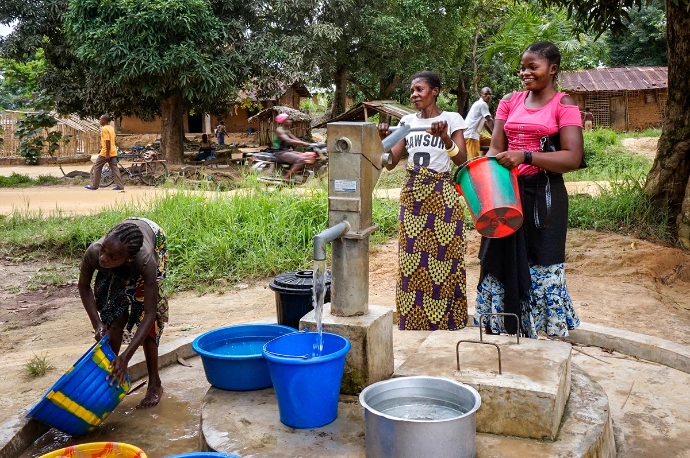
In rural Zambia, communities use boreholes and water purification tablets to prevent cholera outbreaks, while those relying on unprotected wells during the rainy season remain vulnerable. Similarly, in urban compound areas without reliable water points or clean water supply, residents also depend on boreholes—highlighting how access to safe water remains a challenge across both rural and urban settings.
Global example 🌍:
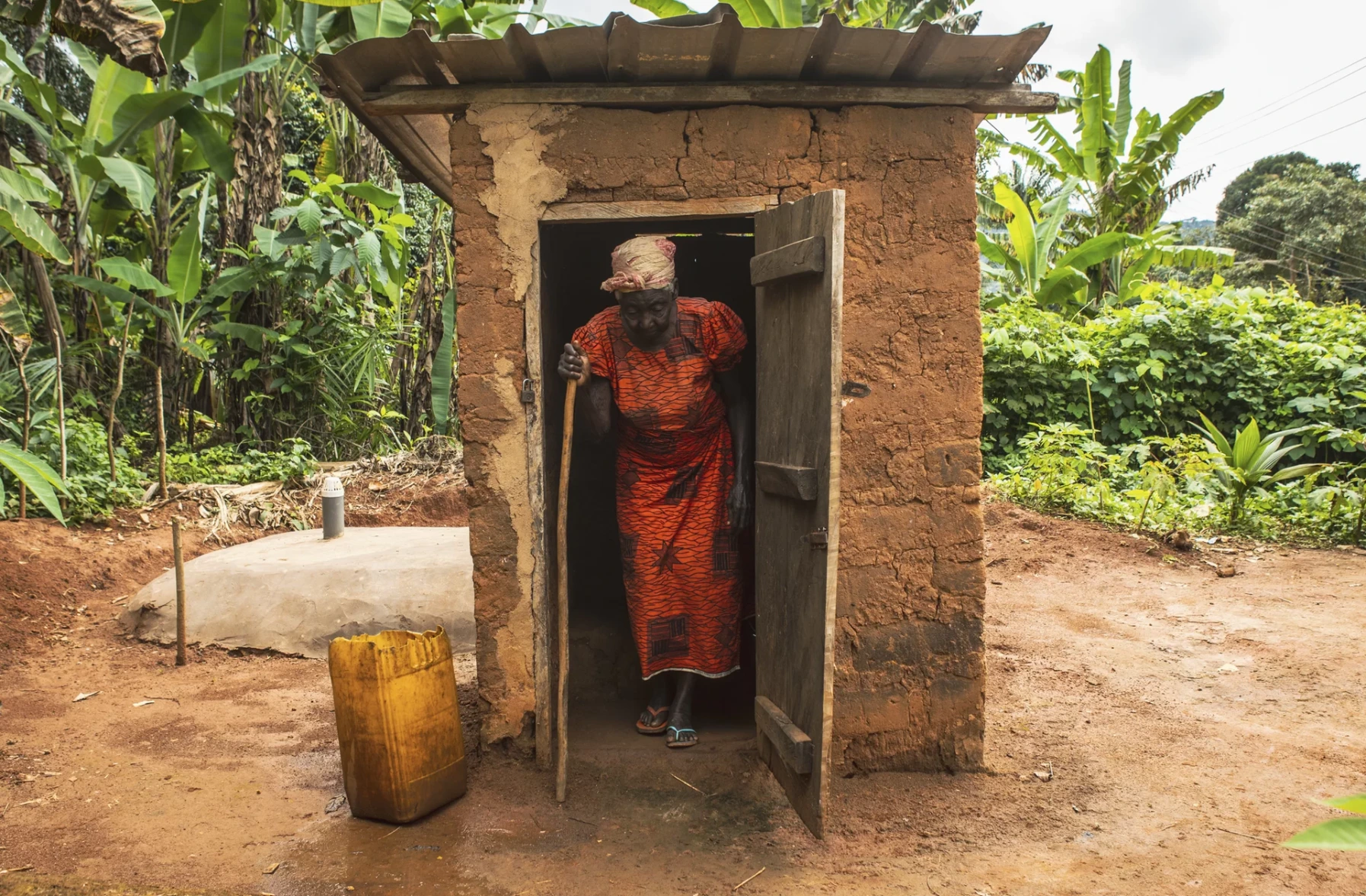
Environmental health approaches vary by context but share common aims. In rural India, introducing community boreholes and toilets dramatically improved public health outcomes, while in Sweden, high-tech wastewater treatment plants ensure 99% of water is safe for reuse. Both examples highlight how infrastructure—whether simple or advanced—protects communities and conserves resources.
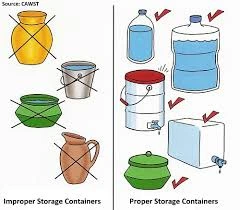
✅ Good practices: Clean boreholes, safe storage, proper toilets, waste treatment.
🔎 Quick Check (Click & Think)
➡️ Because clean water can become contaminated after collection.
🗑️ Pillar 2: Solid Waste Management

Why it matters:
Proper waste management protects communities by preventing the spread of disease and environmental pollution.
Problem:
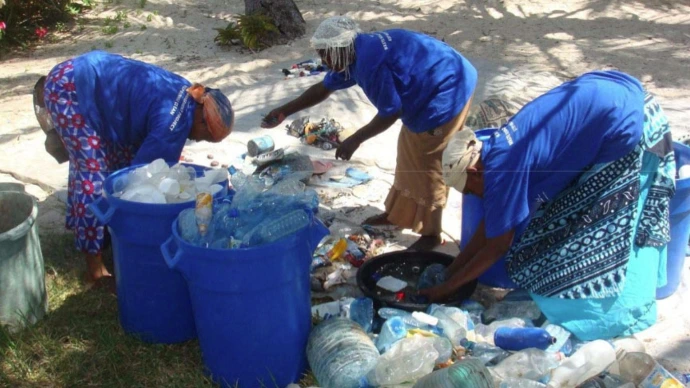
Uncollected waste attracts flies, rats, and mosquitoes, creating breeding grounds for disease. For example, illegal dumping in high-density compounds increases diarrhea diseases and poses serious public health risks.
Solutions:
Recycling, composting, and the use of controlled landfills.
Example (Zambia): Lusaka’s Kalingalinga market now has designated waste collection points to reduce litter and disease spread.
Global Example: Japan recycles over 80% of its plastic waste through strict sorting systems.
🍲 Pillar 3: Food Safety


Why it matters:
Safe food handling and preparation prevent foodborne illnesses and protect consumers.
Problem:
Contaminated food can cause food poisoning, diarrhea, and other serious illnesses.
Did you know?
One contaminated meal can hospitalize an entire family.
Example (Zambia 🇿🇲):
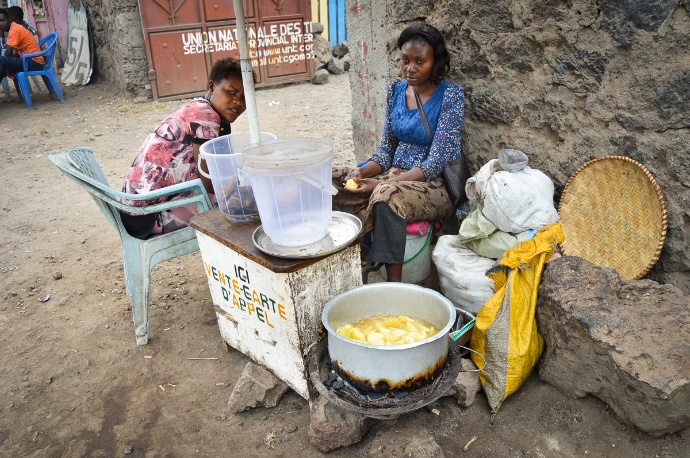
Street food sold without handwashing facilities leads to food poisoning.
Global example 🌍:
Hazard Analysis and Critical Control Points (HACCP) systems in food factories reduce outbreaks worldwide. HACCP is a food safety system used to identify, prevent, and control hazards that can make food unsafe to eat. HACCP is about stopping food problems before they happen, instead of waiting until people get sick.
- It asks one key question at every stage of food handling:
“What could go wrong here, and how do we prevent it?”
🇿🇲 Zambian Example (Very Practical)
Scenario: Street Food Vendor (Chips & Chicken)
Hazard:
Raw chicken may contain bacteria.
Critical Control Point:
Cooking stage.
Critical Limit:
Chicken must be fully cooked (no pink meat).
Control Action:
If under-cooked → continue cooking or discard.
👉 This is HACCP in action, even at small scale.
🦟 Pillar 4: Vector & Pest Control
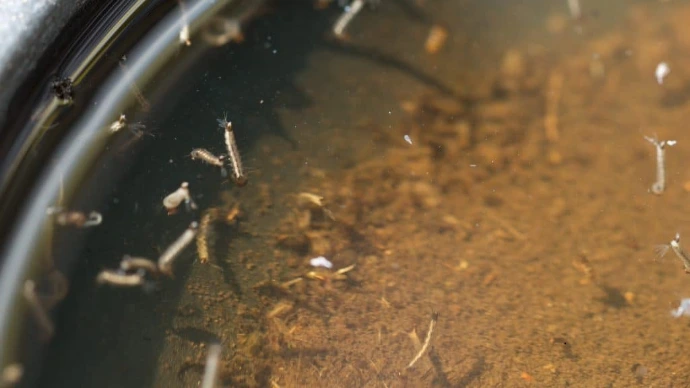
Vectors spread diseases like malaria, dengue, and plague.
Why it matters:
Controlling vectors and pests reduces the spread of diseases transmitted by insects and rodents.
Example:
Stagnant water around homes provides breeding sites for mosquitoes, increasing malaria cases.
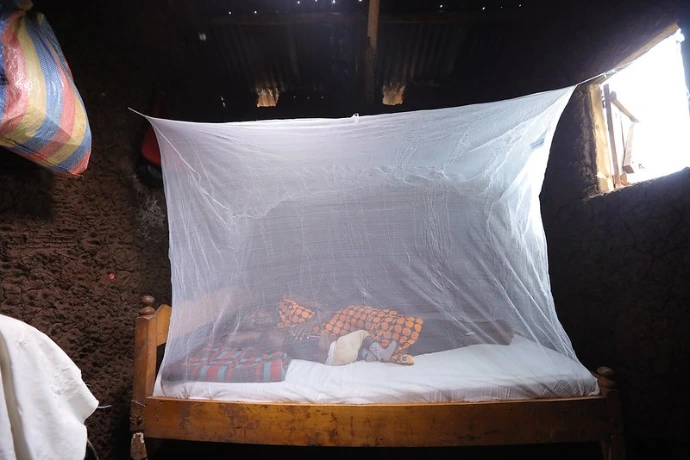
Real-Life Example (Zambia): Distribution of mosquito nets in Eastern Province has reduced malaria cases by 40%.
Foreign Example: Singapore uses drainage systems and fines for stagnant water to control dengue.
Solutions:
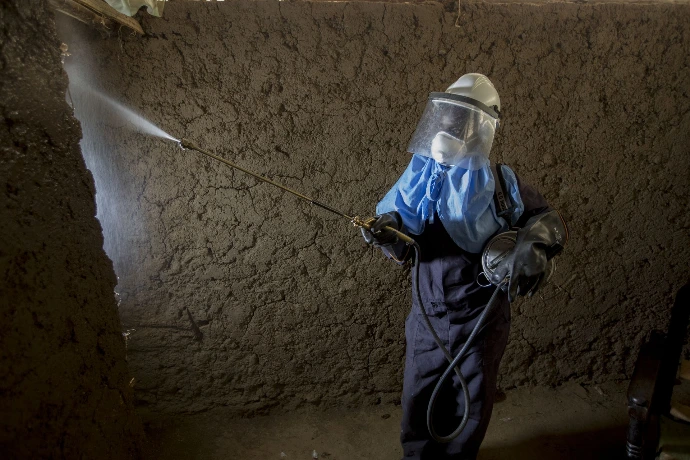
Use of insecticide-treated nets, indoor spraying, proper drainage, and improved housing conditions.
🌫️ Pillar 5: Air Quality & Pollution Control
Why it matters:
Clean air is vital for healthy lungs and the prevention of respiratory and cardiovascular diseases.
Problem:
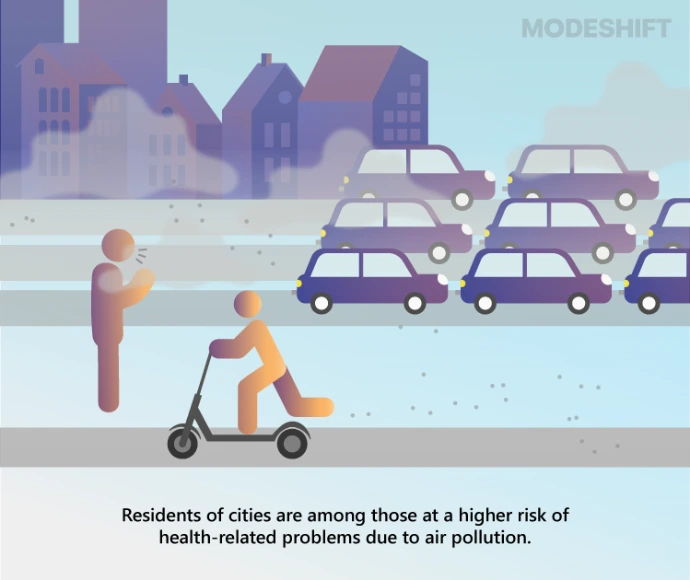
Indoor and outdoor air pollution causes asthma, lung infections, and long-term health problems.
Zambian example 🇿🇲:
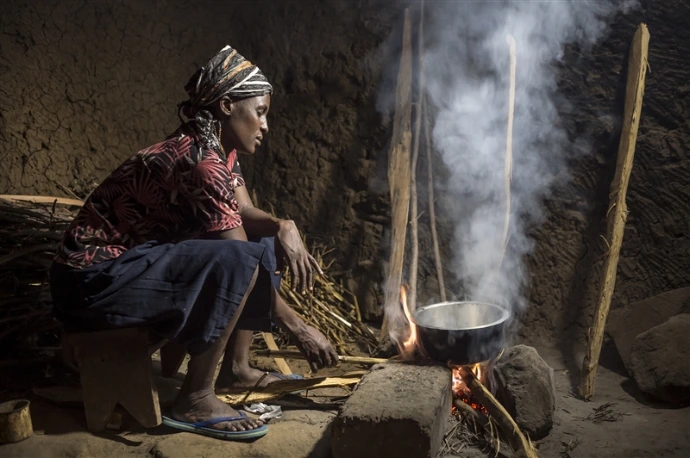
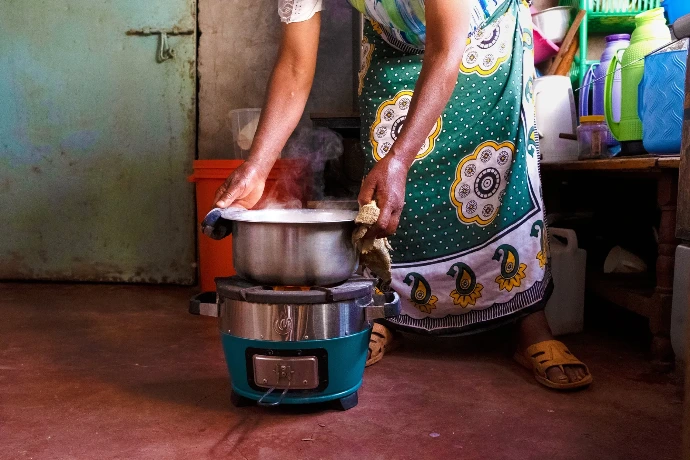
Cooking with charcoal or firewood in poorly ventilated homes exposes families to harmful smoke. Adoption of clean cookstoves in rural homes reduces indoor smoke.
Foreign Example: Copenhagen uses bike-friendly streets to cut vehicle emissions.
Solutions:
Clean cooking stoves, improved ventilation, emission controls, and use of renewable energy. Improved cook-stoves reduce smoke exposure in homes.
🏠 Pillar 6: Housing & Built Environment
Why it matters:
Poor housing leads to TB, asthma, and injuries. Safe and adequate housing improves health, safety, and overall quality of life.
Problem:
Poor housing conditions lead to overcrowding, accidents, tuberculosis, and respiratory illnesses.
Zambian example 🇿🇲:
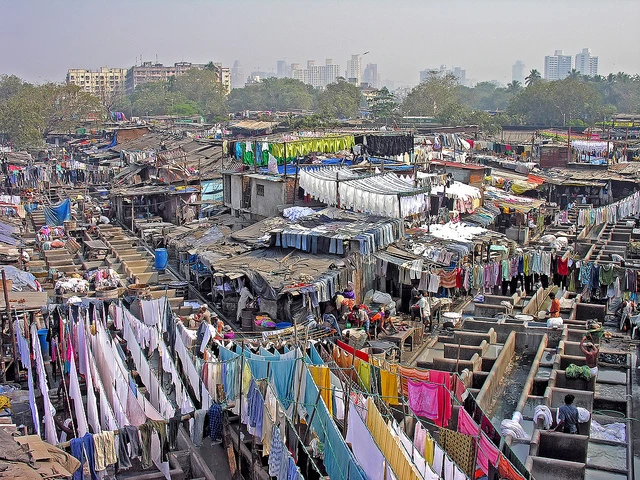
Overcrowded informal settlements with poor ventilation increase the spread of TB.
Solutions:
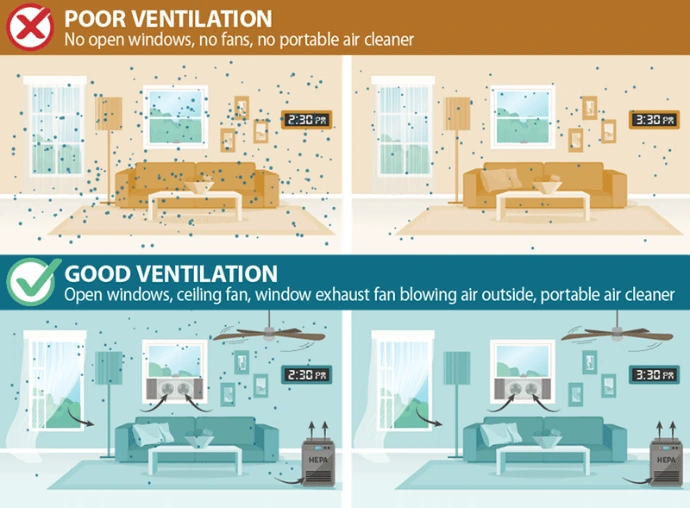
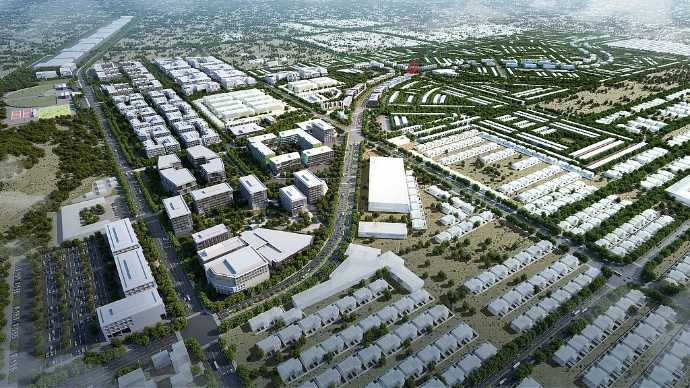
Proper urban planning, adequate ventilation, safe building standards, and reduced overcrowding. Good housing = ventilation + space + safety.
🦺 Pillar 7: Occupational & Environmental Safety


Why it matters:
Safe working environments protect workers from injuries, illnesses, and long-term health risks.
Problem:
Workplaces can be hazardous. Exposure to physical, chemical, and biological hazards at work can cause injuries and diseases.
Zambian example 🇿🇲:
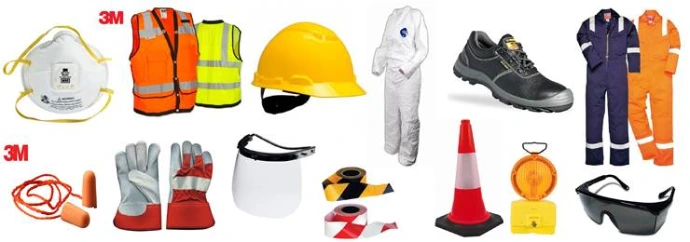
Workers in mines and construction sites without protective equipment face high risk of accidents and lung disease. Miners without PPE risk lung disease and injuries.
Solutions:
Use of personal protective equipment (PPE), enforcement of safety regulations, and exposure monitoring.
🌦️ Pillar 8: Climate Change & Disaster Risk Reduction


Why it matters:
Climate change affects health by increasing extreme weather events, disease patterns, and food insecurity.
Problem:
Floods, droughts, and heatwaves increase the risk of disease outbreaks and displacement.
Zambian example 🇿🇲:
Flooding increases the risk of cholera, while droughts reduce food availability and nutrition.
Solutions:
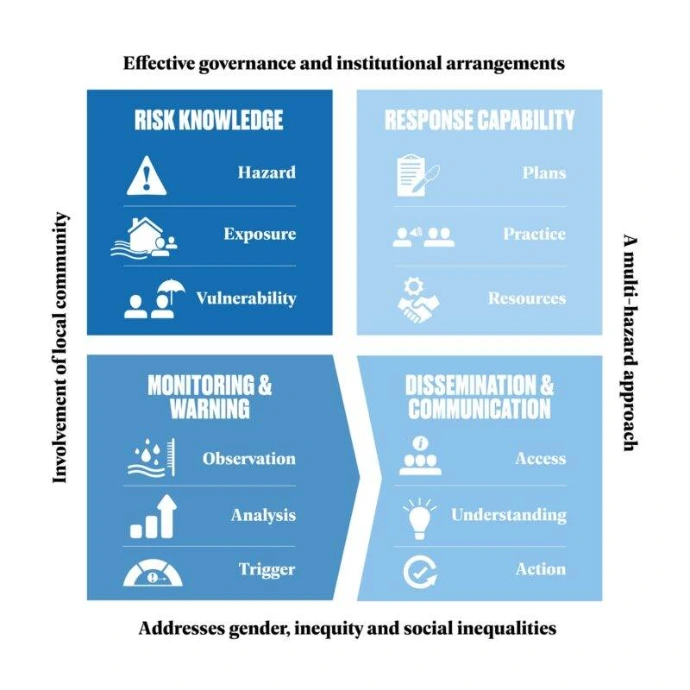
Early warning systems, disaster preparedness, climate-smart agriculture, and resilient infrastructure.
Real-Life Example (Zambia): Farmers in Southern Province use drought-resistant crops to adapt to changing rains.
Foreign Example: The Netherlands uses dykes and early warning systems for flood control.
Conclusion: Be a Change Agent
Environmental health isn’t just for scientists—it’s for you.
Whether you’re managing waste or planting trees in your yard, every action counts.
Protecting the environment = protecting yourself and your community.
Master the 8 Pillars of Environmental Health. Explore real-world case studies from Zambia and globally. Learn to assess risks, promote community wellness, and build a healthier, sustainable world through this engaging, interactive eLearning course.
Rating
There are no comments for now.
to be the first to leave a comment.